


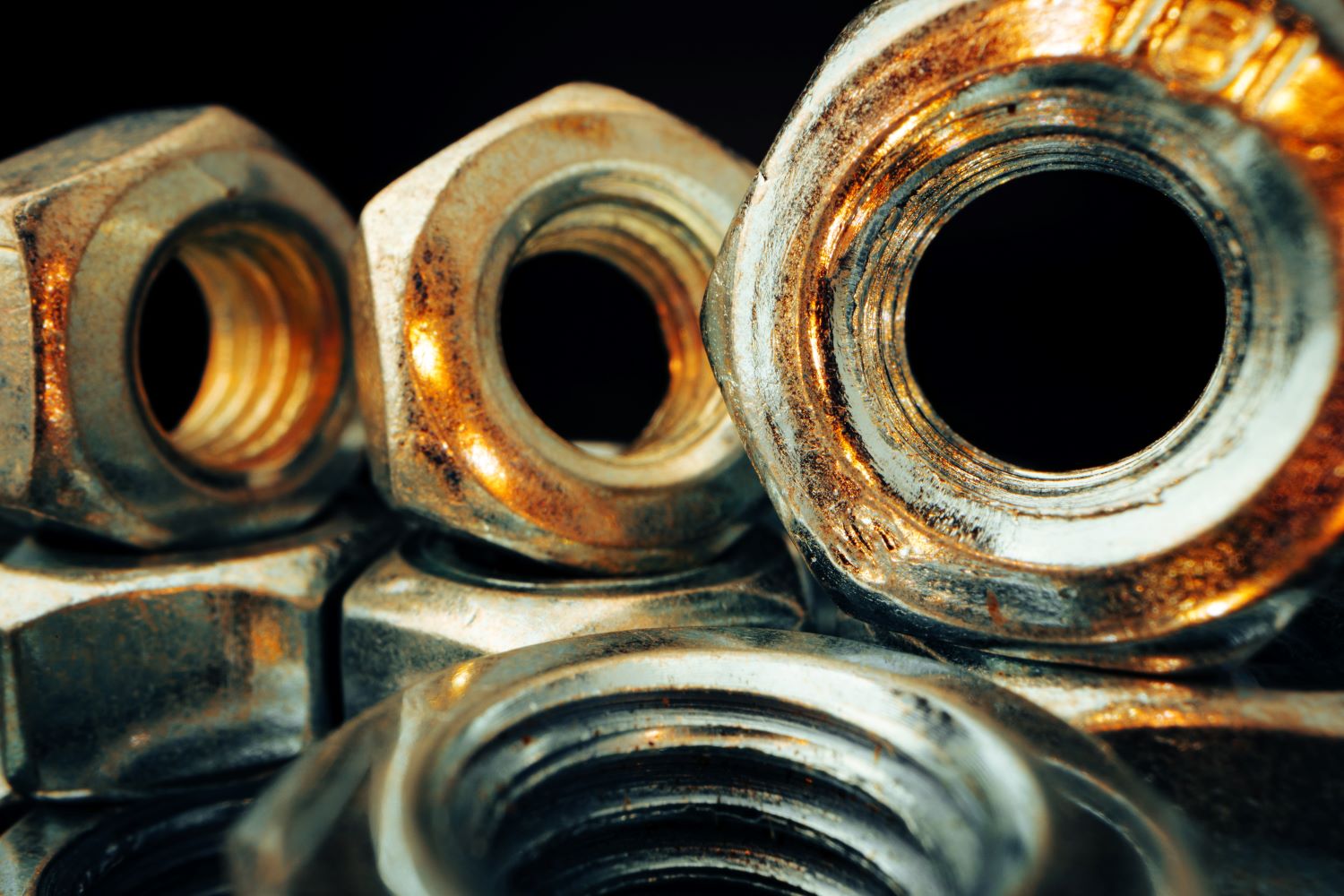
In today’s rapidly advancing world of technology and industry, the materials used in construction and production must be able to withstand various challenging environments. Stainless steel nuts are among the most recognized materials, valued for their superior corrosion resistance and durability. This article explores the properties, benefits, and maintenance tips for stainless steel nuts to understand their importance and usage as a strong rust shield across industries.
1. Unique Corrosion-Resistant Properties of Stainless Steel Nuts
Stainless steel nuts stand apart from regular steel nuts due to their composition. A key component is chromium (Cr), which creates a thin oxide film on the surface of the nut. This film acts as a protective barrier, preventing the metal beneath from reacting with oxygen and moisture, the main causes of rust and corrosion. Additionally, stainless steel often contains nickel (Ni) and molybdenum (Mo), enhancing durability and flexibility to withstand harsh environments such as seawater, chemicals, and high temperatures.
This oxide film not only maintains the cleanliness of the stainless steel surface but also eliminates the need for additional protective coatings. As a result, stainless steel nuts provide long-lasting durability, whether in extreme environments or everyday applications that demand reliability and strength.
2. Advantages of Using Stainless Steel in Challenging Environments
The use of stainless steel nuts in challenging environments offers numerous benefits, especially in industries exposed to high corrosion risks. For instance, in construction projects along coastlines with high humidity and salt exposure, petrochemical industries handling corrosive chemicals, or food processing plants requiring cleanliness and contamination prevention, stainless steel nuts enhance structural resilience and reduce damage from corrosion.
Moreover, opting for stainless steel nuts can lead to significant long-term cost savings, as they require fewer replacements and don’t need additional protective coatings. They are also environmentally friendly, as they do not emit harmful substances and are recyclable, making stainless steel a sustainable choice for various industrial applications.
3. Selecting and Maintaining Stainless Steel Nuts to Extend Lifespan
While stainless steel nuts offer high durability, choosing the right type and maintaining them correctly is essential. The choice of stainless steel should match the environment it will be used in. For high-corrosion settings, it’s advisable to select stainless steel with high chromium and nickel content. For areas where rust resistance is crucial, stainless steel with added molybdenum is recommended.
Regular maintenance can further prolong the life of stainless steel nuts. Periodic cleaning prevents the buildup of dirt or chemicals that could lead to long-term corrosion. Routine inspections ensure the nuts and structures remain effective against rust and corrosion. Additionally, any nuts showing signs of wear or early corrosion should be replaced promptly.
Stainless steel nuts serve as an indispensable component in various industrial settings due to their ability to provide a strong defense against rust. By understanding their unique properties, benefits, and maintenance needs, industries can leverage stainless steel as a durable, cost-effective, and environmentally friendly solution to their corrosion challenges.